 Service illustration · not a completed customer project
THE WORK, EXPLAINED
Start with the condition.
Understand the scope.
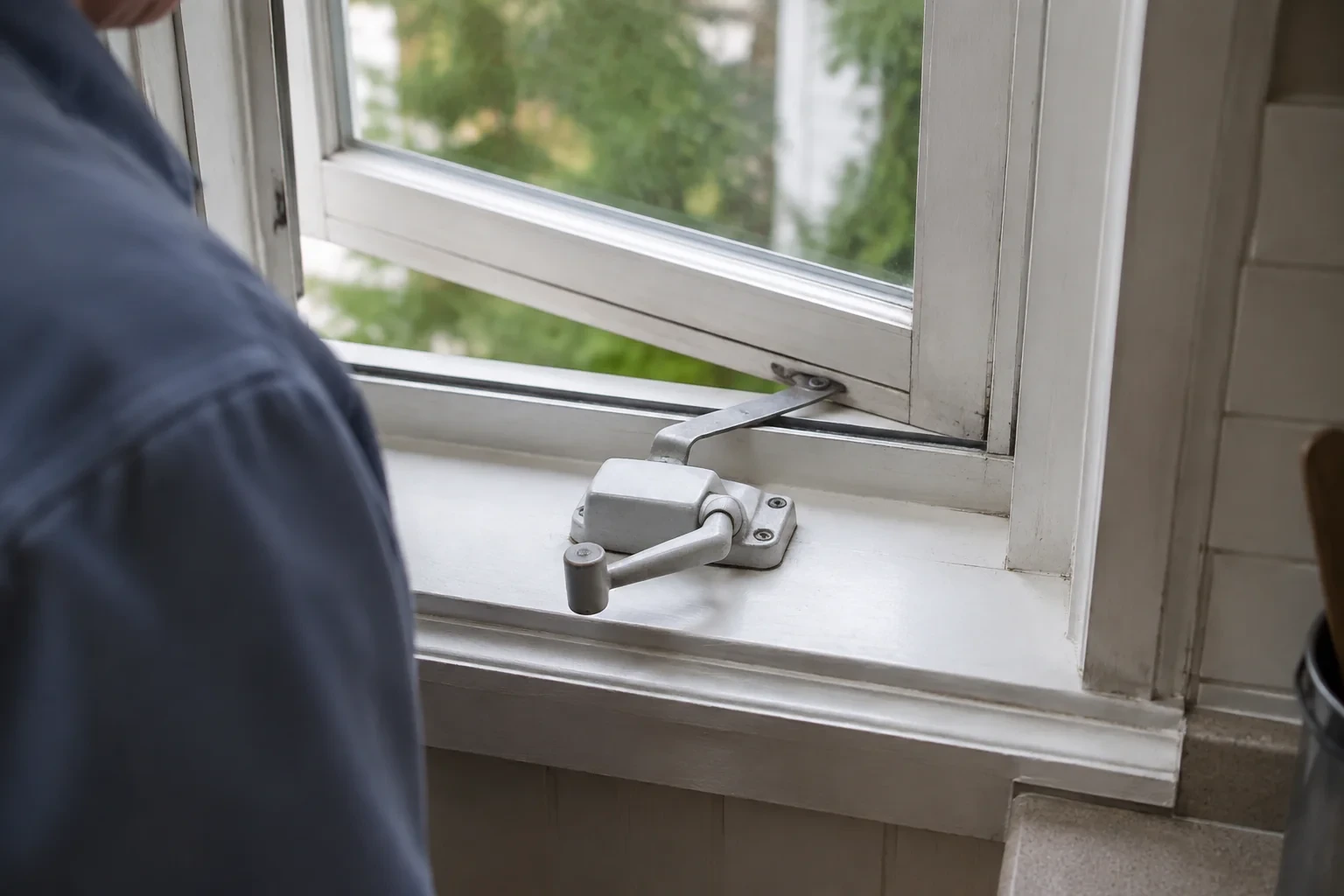
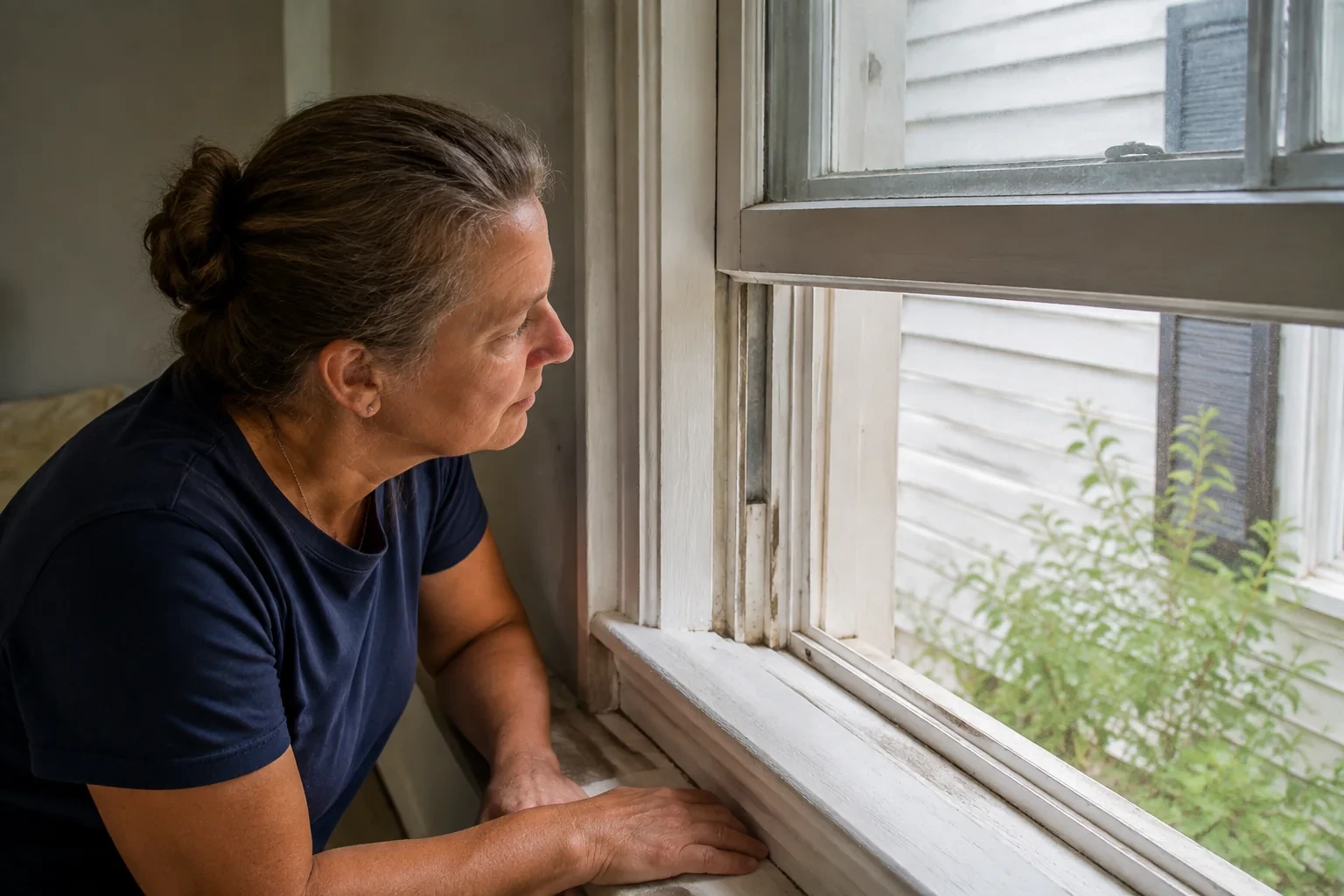
Identify the window and describe whether the sash drops, sticks or is difficult to move. Ask which balance components have been assessed, how proposed replacements will be matched to the sash, and whether work on one or both sides is included. Agree on a completion check of sash movement and support, with any separate frame or hardware work itemized.
What may be involved
- channel or spiral balances
- balance shoes
- pivot bars
- sash cords
- pulleys
- sash stops
Ask the provider to distinguish existing parts to inspect, proposed replacements, and tools, materials or reports included in the service. Confirm the work and exclusions after assessment; this list does not mean that every item will be supplied or replaced.
LOCAL RESEARCH / Fruitdale
Local context
The US Consumer Product Safety Commission’s window-fall guidance says never to depend on screens to keep children from falling out of windows, and suggests window guards, or window stops so that a window opens no more than 4 inches. It matters when you change how a window opens or replace hardware or screens. Raise it with the provider if young children use the room, and ask how any guard or stop interacts with escape and rescue openings. This is national safety guidance, not a compliance finding for your property.
Source ↗Area-wide context does not establish the condition of your property or equipment.
Before the visit
Identify the affected opening and describe the symptom. Gather available product labels and previous work records. Explain access restrictions and keep the opening clear.