 Service illustration · not a completed customer project
THE WORK, EXPLAINED
Start with the condition.
Understand the scope.
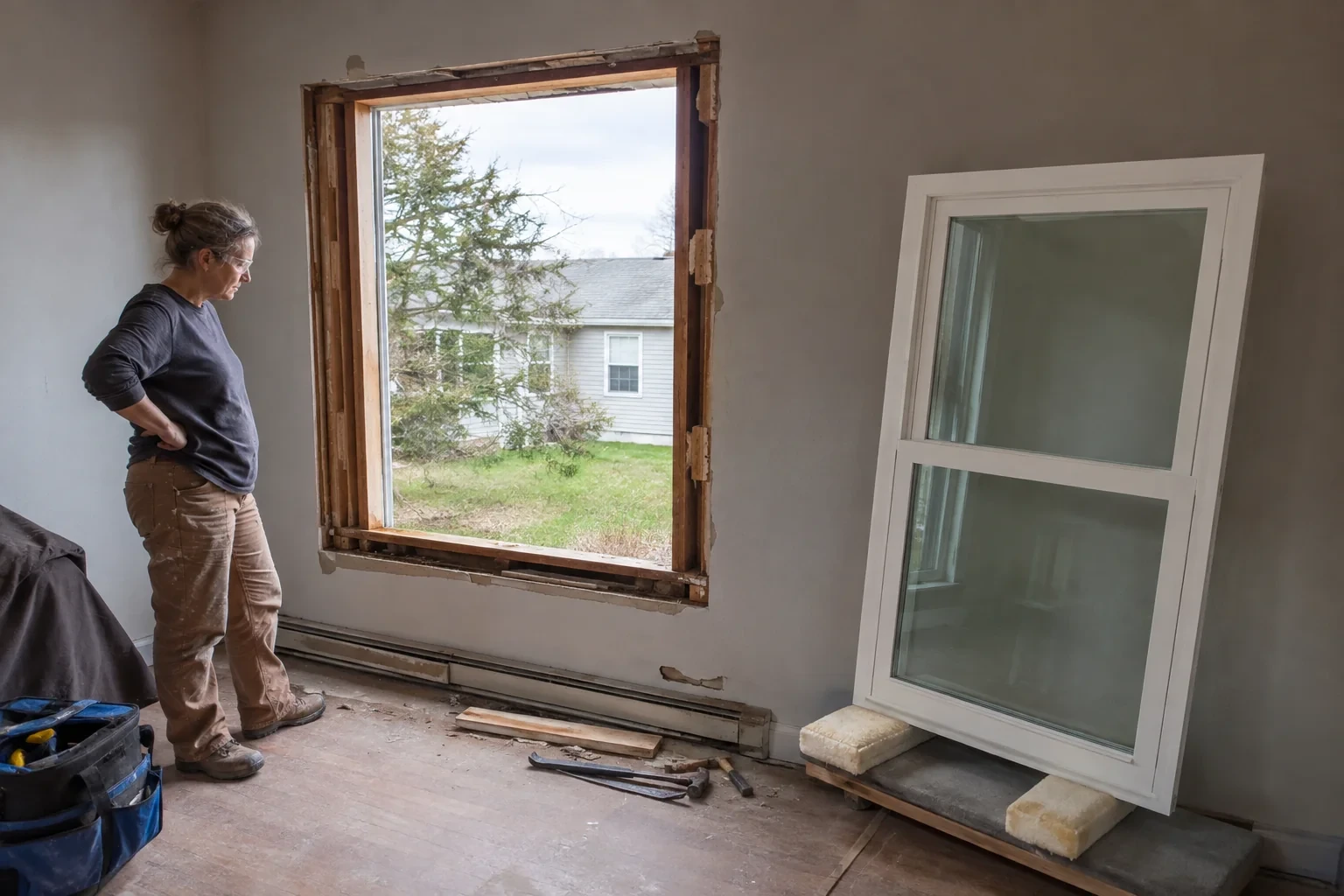
Ask for a room-by-room opening schedule with the selected product and installation scope for each window. Agree on access, protection of occupied rooms, the removal sequence and how unfinished openings will be managed. The proposal should identify finishing responsibilities and how each installed unit will be checked before the project is closed out.
What may be involved
- window package
- flashing materials
- installation fasteners
- insulation
- sealants
- interior stops
- exterior trim
Ask the provider to distinguish existing parts to inspect, proposed replacements, and tools, materials or reports included in the service. Confirm the work and exclusions after assessment; this list does not mean that every item will be supplied or replaced.
LOCAL RESEARCH / Alum Rock
Local context
The US Consumer Product Safety Commission’s window-fall guidance says never to depend on screens to keep children from falling out of windows, and suggests window guards, or window stops so that a window opens no more than 4 inches. It matters when you change how a window opens or replace hardware or screens. Raise it with the provider if young children use the room, and ask how any guard or stop interacts with escape and rescue openings. This is national safety guidance, not a compliance finding for your property.
Source ↗Planning your work
The US Census Bureau’s 2020 place-code file for California lists Alum Rock in Santa Clara County as a census-designated place rather than an incorporated place. A census-designated place is a named settlement, not a city with its own charter, so the building department that serves an address here is not something to assume from the area name. Establish which authority issues the permit for your address before scheduling work, and ask the provider to confirm it in writing. This record identifies a place type; it does not name the permitting authority for any individual property or decide which permits a project needs.
Source ↗Area-wide context does not establish the condition of your property or equipment.
Before the visit
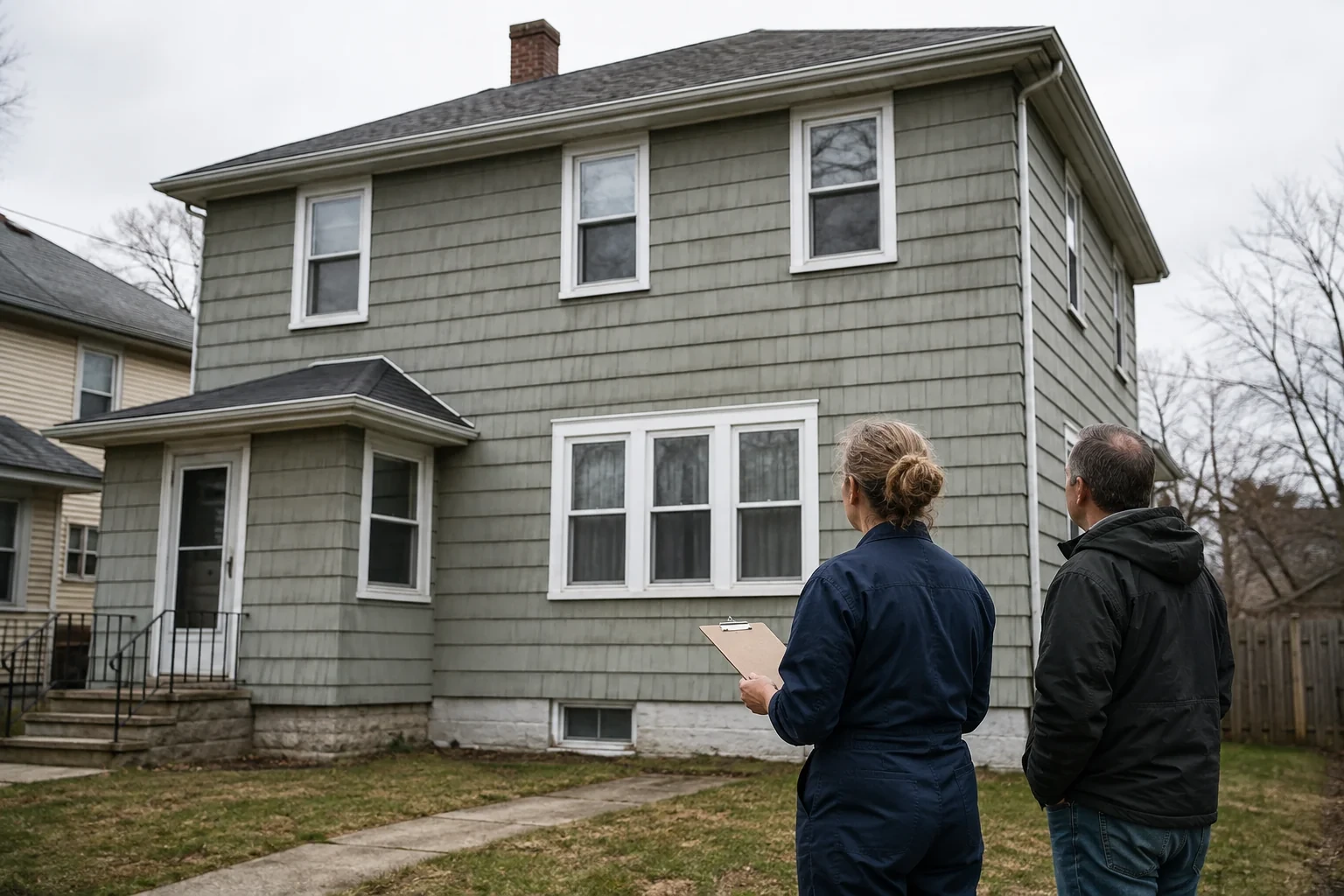
Identify the affected opening and describe the symptom. Gather available product labels and previous work records. Explain access restrictions and keep the opening clear.